The Brain You Didn’t Know You Had Lives in Your Gut
When we think about allergies, we often focus on the immune system alone. However, emerging research shows that another powerful player is involved: the intestinal nervous system, often referred to as the gut brain.
This intricate network of nerve cells embedded in the gut wall doesn’t just control digestion — it plays a central role in immune regulation, gut barrier integrity, and allergic responses.
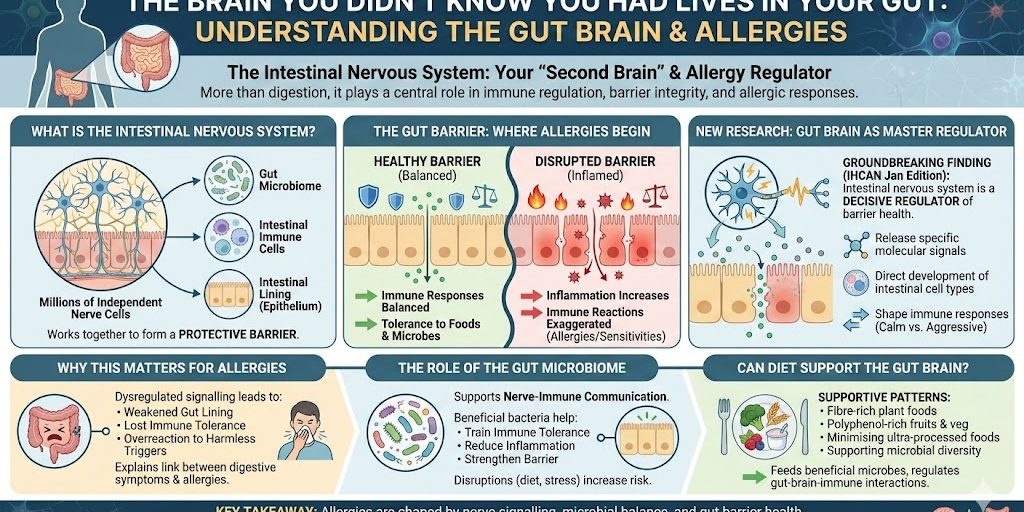
What Is the Intestinal Nervous System?
The intestinal nervous system is sometimes called the “second brain” because it contains millions of nerve cells that operate independently of the brain in the head. It works closely with:
- The gut microbiome
- Intestinal immune cells
- The intestinal lining (epithelium)
Together, these systems form a protective barrier that separates the internal body from the contents of the gut.
The Gut Barrier: Where Allergies Begin
The intestinal barrier acts as the body’s first line of defence. It allows nutrients through while keeping harmful bacteria, toxins, and allergens out of the bloodstream.
When this barrier is healthy:
- Immune responses remain balanced
- Tolerance to foods and microbes is maintained
When the balance is disrupted:
- Inflammation increases
- Immune reactions become exaggerated
- Allergies and sensitivities are more likely to develop
New Research: The Gut Brain as a Master Regulator
Recent findings highlighted in the IHCAN January edition reveal something groundbreaking:
the intestinal nervous system is a decisive regulator of intestinal barrier health.
Researchers have shown for the first time that gut nerve cells:
- Release specific molecular signals
- Direct the development of different intestinal cell types
- Shape immune responses within the gut
This means nerve signalling directly influences whether the immune system reacts calmly or aggressively.
Why This Matters for Allergies
When gut-brain signalling becomes dysregulated:
- The gut lining may weaken
- Immune tolerance can be lost
- The body may overreact to harmless triggers such as foods or pollen
This helps explain why many people with allergies also experience digestive symptoms — and why allergic conditions are increasingly linked to gut health.
The Role of the Gut Microbiome
A healthy gut microbiome supports communication between nerve cells and immune cells. Beneficial bacteria help:
- Train immune tolerance
- Reduce inflammation
- Strengthen the gut barrier
Disruptions caused by diet, stress, or environmental exposure can interfere with this communication and increase allergy risk
Can Diet Support the Gut Brain?
Diet strongly influences both the microbiome and gut nerve signalling.
Supportive dietary patterns include:
- Fibre-rich plant foods
- Polyphenol-rich fruits and vegetables
- Minimising ultra-processed foods
- Supporting microbial diversity
By feeding beneficial microbes, we also help regulate gut–brain–immune interactions.
Key Takeaway
Allergies are not just an immune issue — they are shaped by nerve signalling, microbial balance, and gut barrier health. Supporting the gut ecosystem may be one of the most effective ways to reduce allergic burden and promote long-term health.